Workplace Planning · Hybrid Workplace
Designing Better Hybrid Meeting Experiences
7 min read
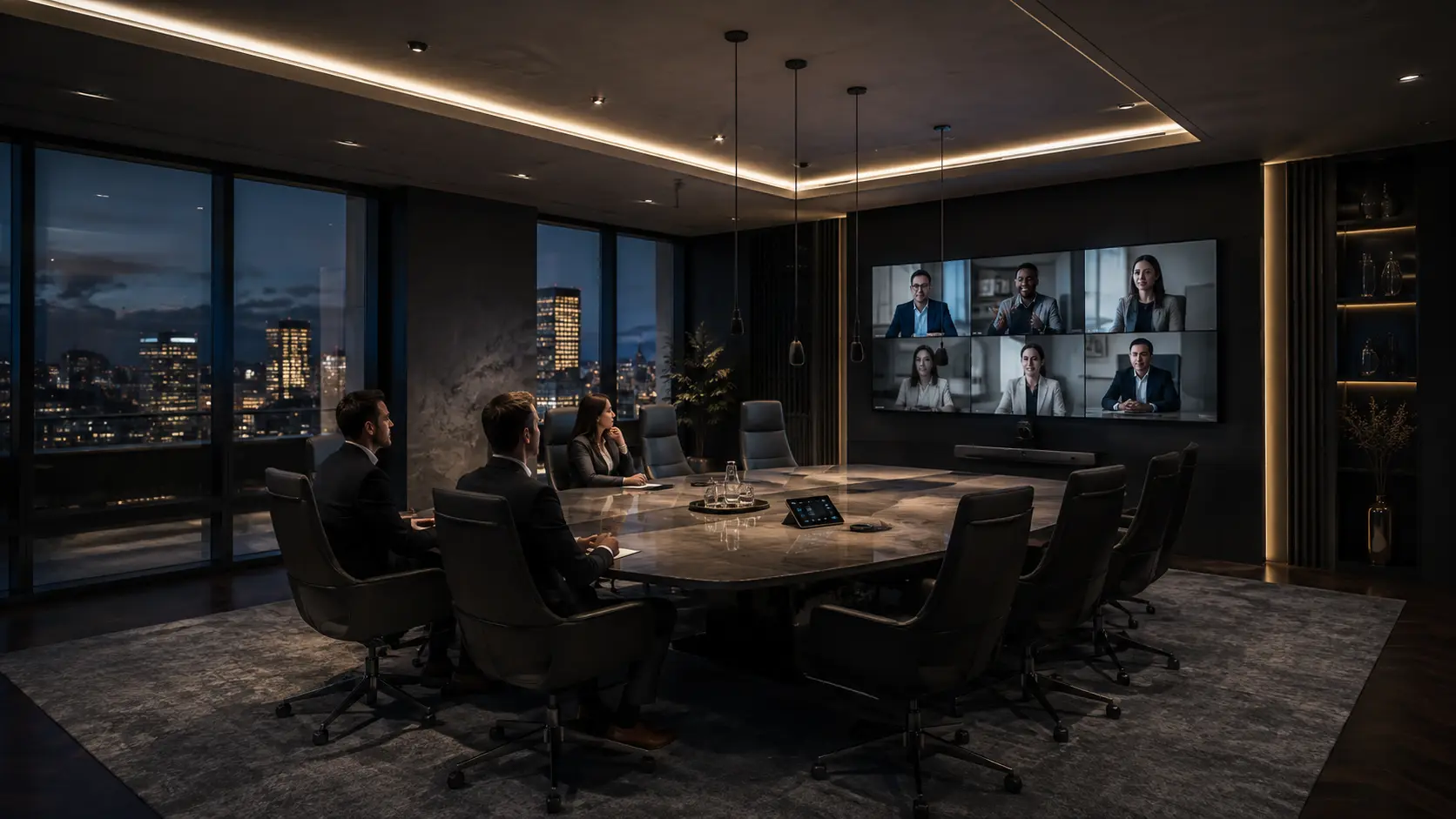
Hybrid work is now a permanent condition rather than a temporary arrangement. The organisations that make it work treat the meeting room as part of the experience, not as a neutral container.
Audio first, always
People tolerate imperfect video far longer than imperfect audio. Coverage that reaches every seat, with processing tuned to the room, is the highest-value investment in any hybrid space.
Give remote participants presence
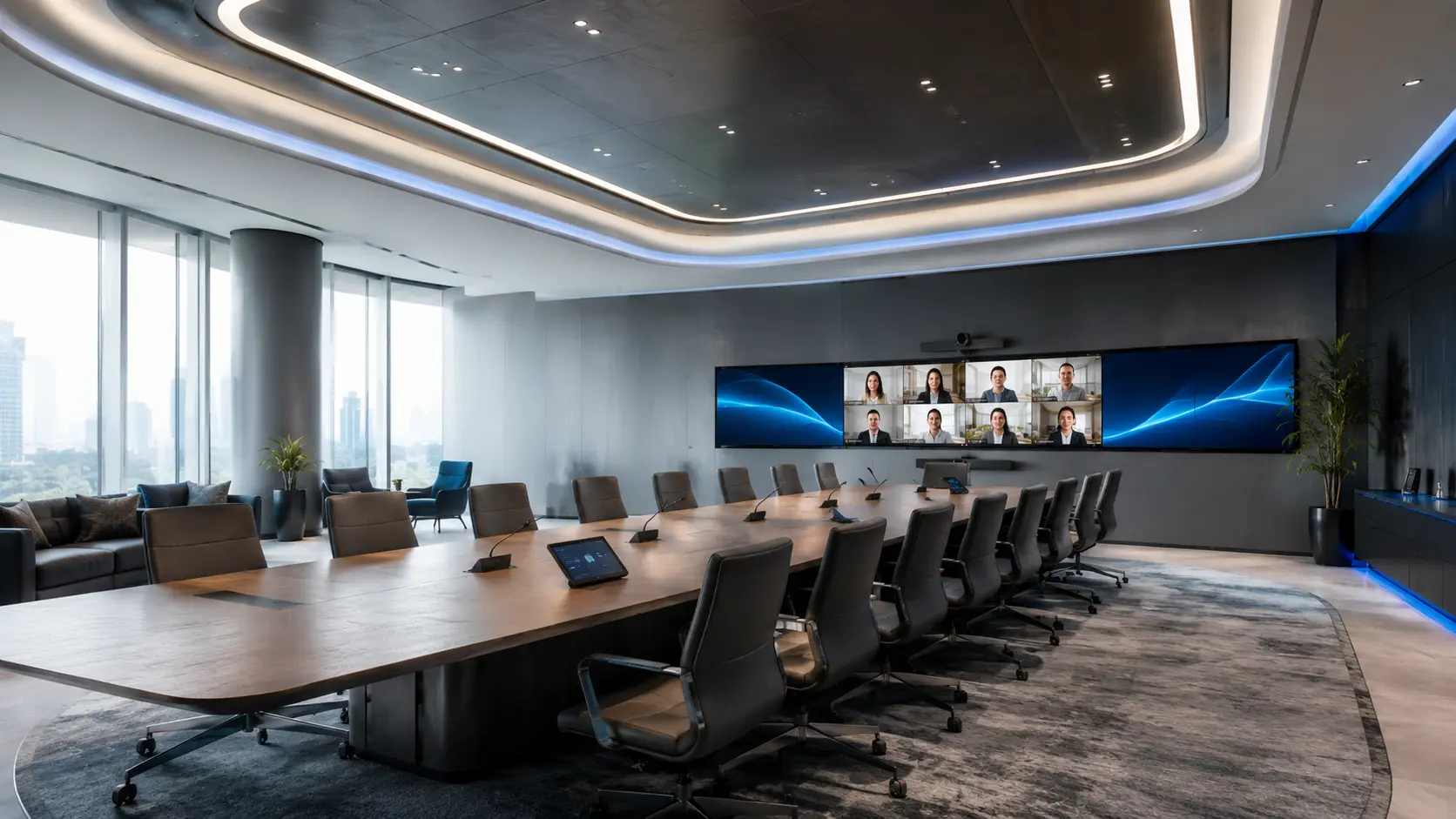
A second display dedicated to people, rather than sharing one screen with content, changes the dynamic of a hybrid meeting. Remote attendees stop being a small tile in the corner.
Make joining boring
The join experience should require no decisions. One visible action, the same in every room, removes the most common cause of late starts.
Support the behaviour, not just the technology
Meeting norms matter: a facilitator who checks in with remote participants, content shared through the platform rather than held up to a camera, and a habit of using the room microphone rather than a laptop.
- Nominate a facilitator for hybrid sessions
- Share content through the platform, never through the camera
- Use room audio rather than individual laptops
- Review room performance after workplace changes