Workplace Planning · Meeting Room Planning
How to Standardize Meeting Rooms Across Multiple Offices
6 min read
Organizations rarely set out to build inconsistent meeting rooms. Inconsistency accumulates: a floor is refurbished, a supplier changes, a platform is upgraded, and five years later no two rooms behave the same way.
Start with typologies, not with a product list
A workable standard usually contains three to five room classes. Each class is defined by how it is used and how many people it seats, not by the equipment inside it.
Once the typologies exist, every future room is classified into one of them. Procurement becomes a repeatable exercise rather than a new design each time.
- Huddle: informal, two to four people
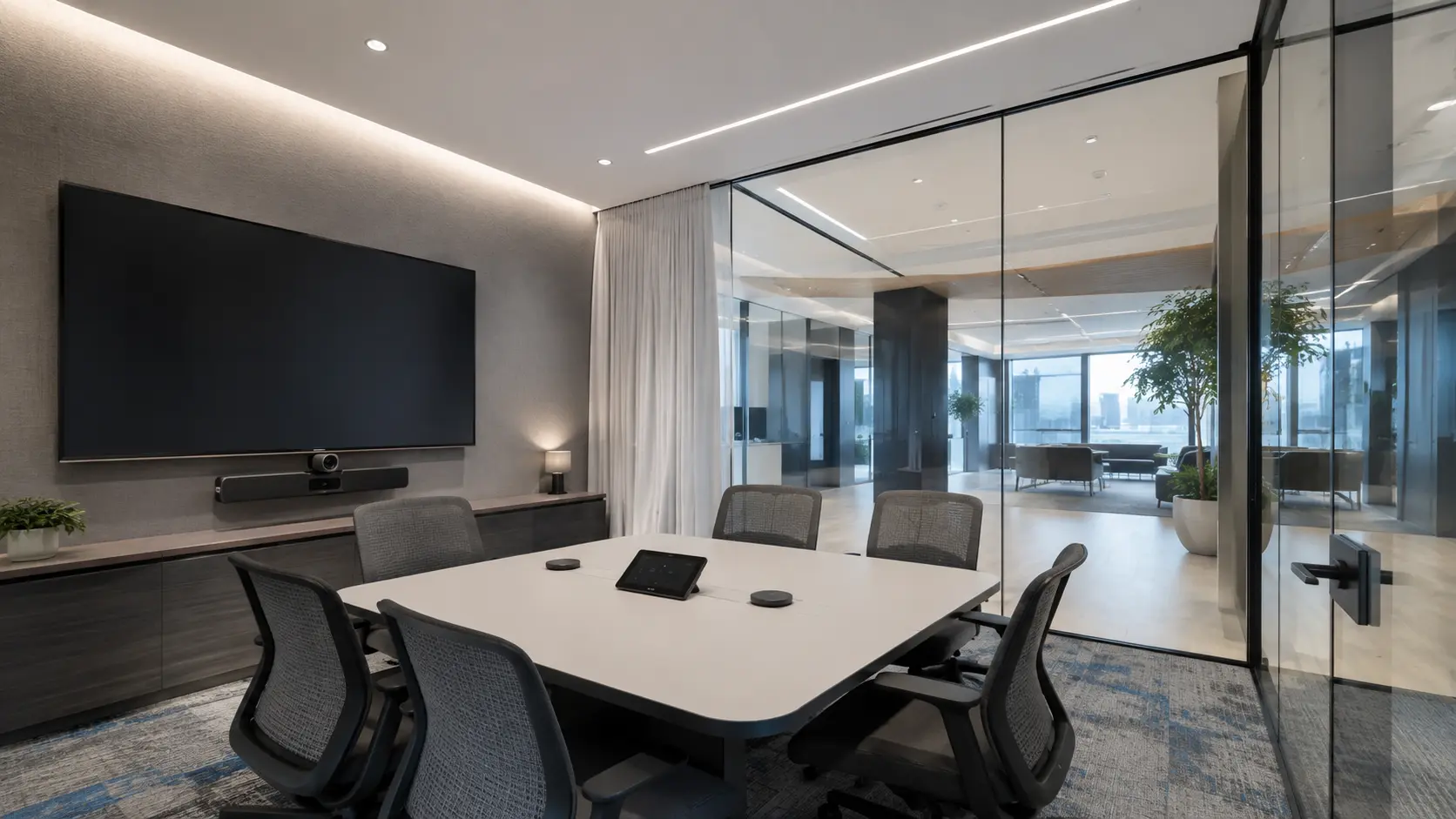
- Small meeting: scheduled team meetings
- Conference: presentations and larger sessions
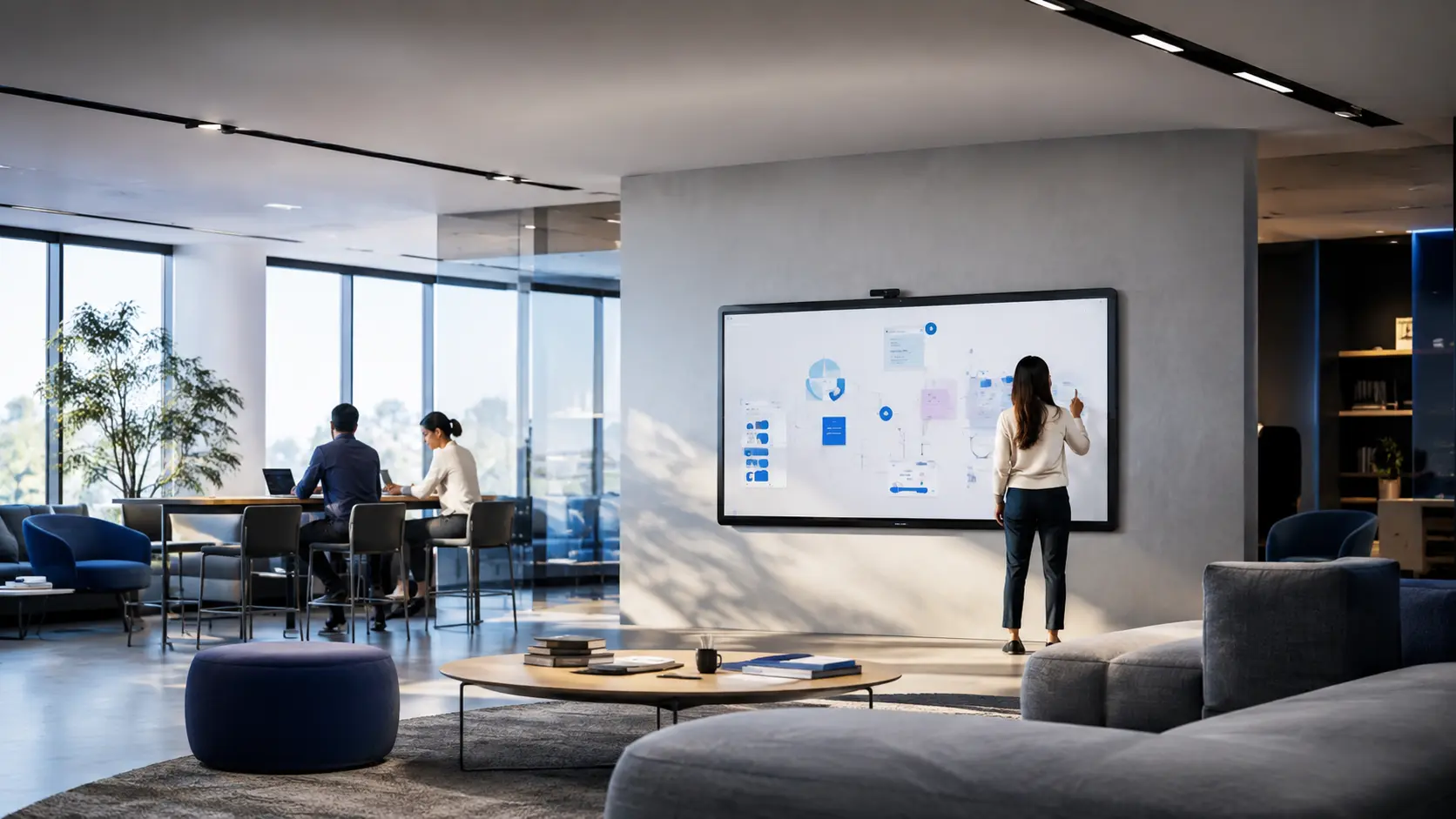
- Ideation: interactive and workshop formats
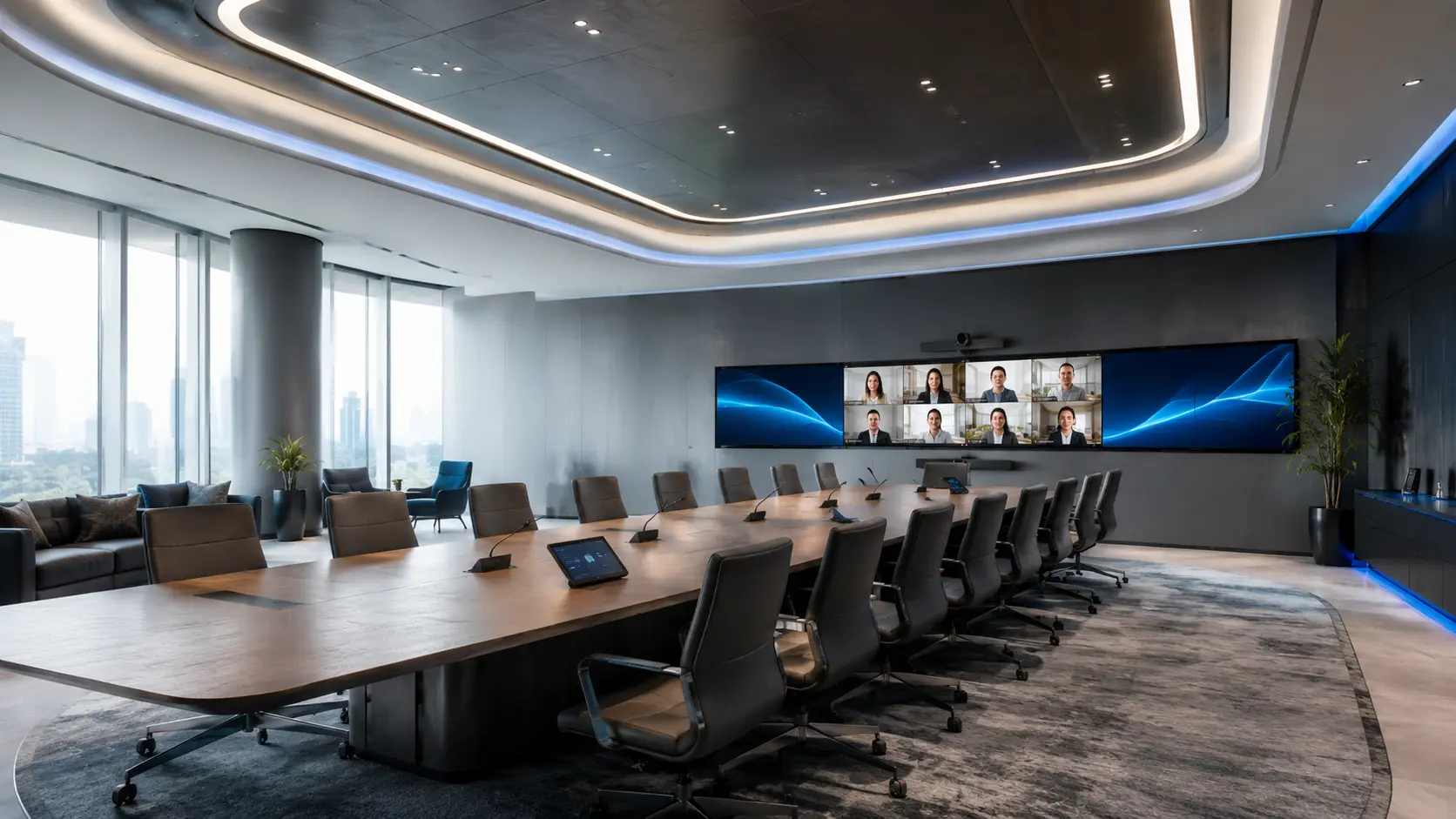
- Executive: board-level and external sessions
Hold the experience constant, allow the hardware to vary
Hardware availability changes between cities and over time. What must not change is the way a user starts a meeting, shares content and adjusts volume.
Write the standard as a user experience specification first, then map technology categories to it. This keeps the standard alive when a specific model is discontinued.
Prove one reference room before scaling
Build one room of each typology, commission it properly, and have real users work in it for a few weeks. Issues that appear in a reference room cost very little to fix; the same issues replicated across forty rooms are a programme risk.
Document the estate as you go
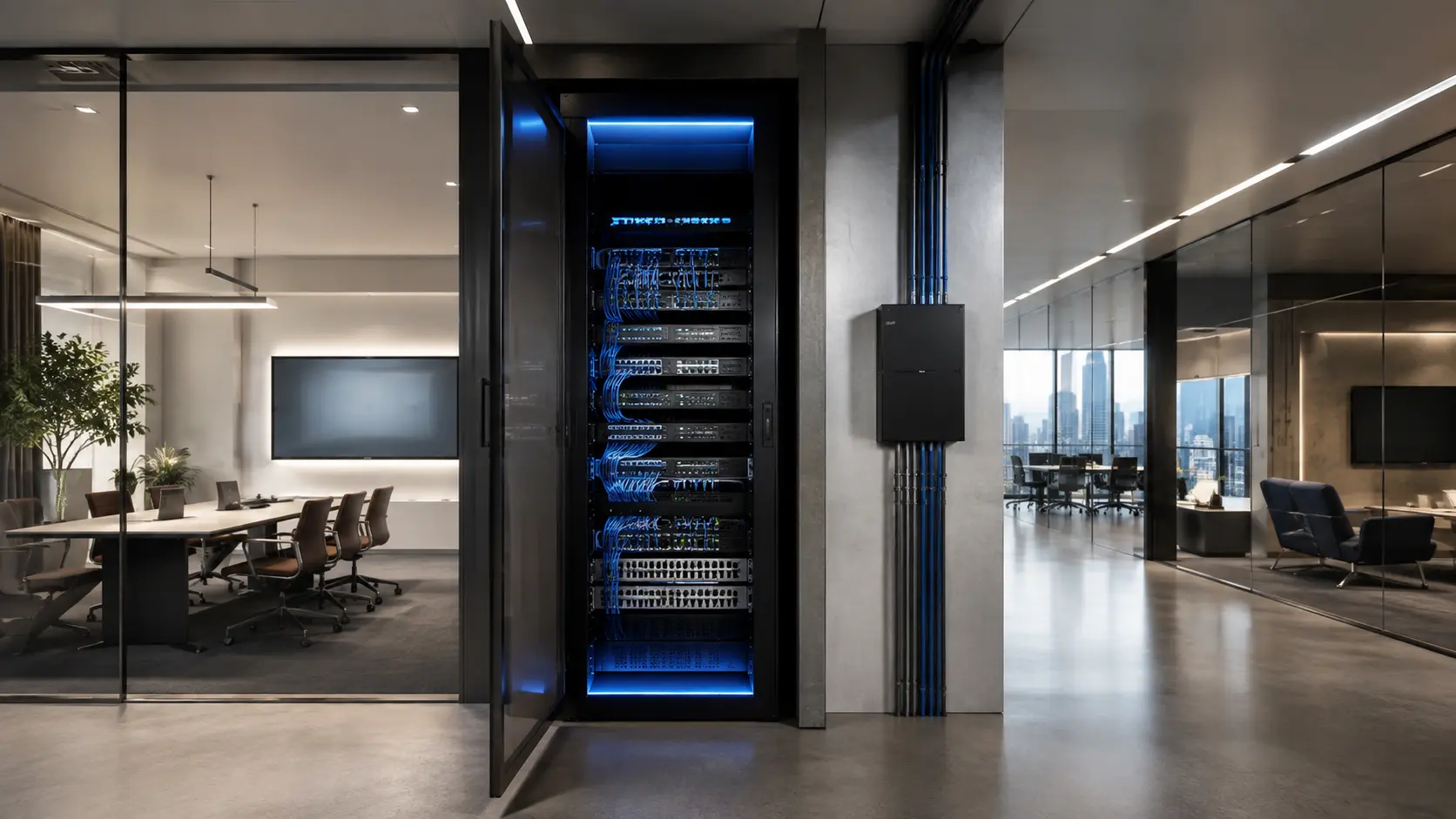
An as-built record per room — architecture, configuration, network details and commissioning results — is what makes remote support possible later. Without it, every support call becomes a site visit.